
Every year, I like to do something a little uncomfortable. I look back at the goals I set… and tell the truth about whether I actually followed through. Not because I enjoy pointing out failures—but because I genuinely believe this: You shouldn’t ask others to live a life you’re not willing to live yourself. So […]

How to Build Strength that Lasts Beyond the Gym
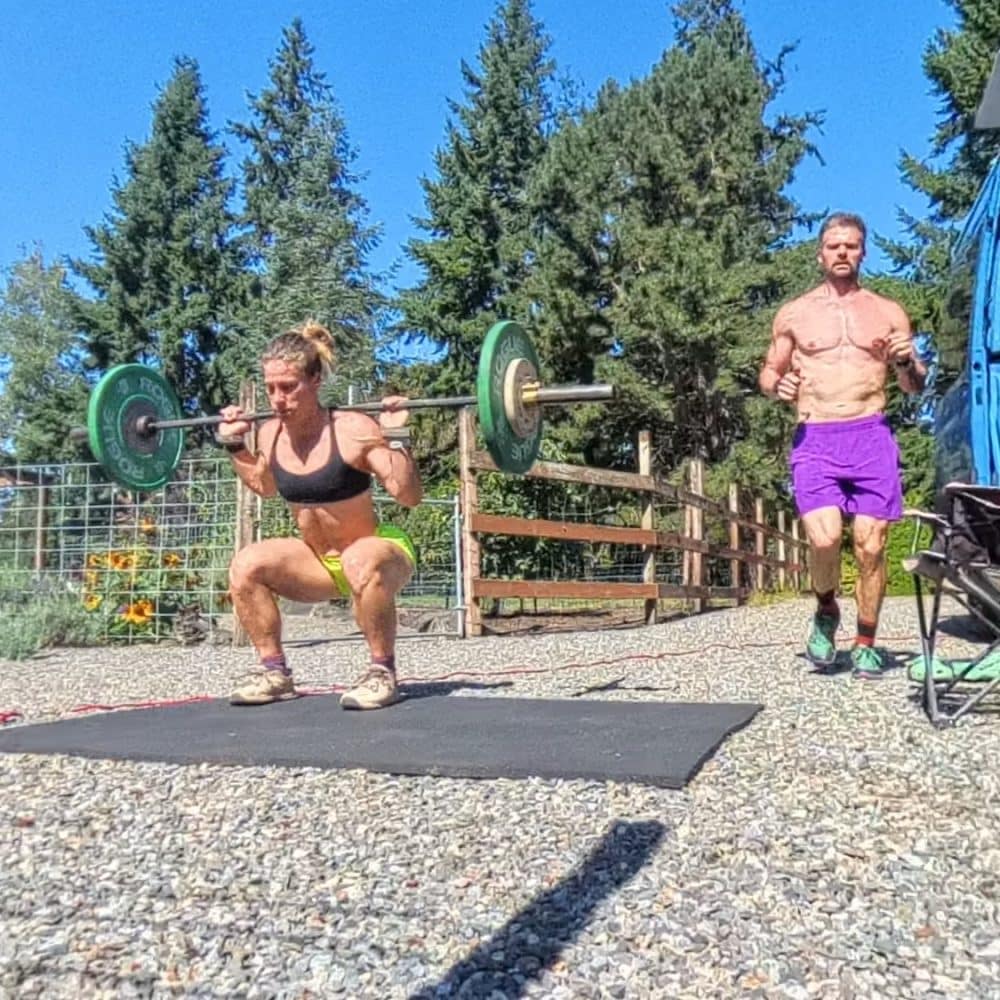
Strength training isn’t just about piling more weight onto a bar. If that’s the only goal, it usually catches up with you eventually. Real strength is about building a body that moves well, holds up over time, and actually helps you feel better in daily life — not just in the gym.
Whether you’re just getting started or you’ve already been training for a while, the goal should always be long-term progress. The kind that sticks. Let’s break down what actually matters if you want to keep getting stronger without burning out or getting hurt.
Train With Purpose
One of the biggest mistakes I see is people showing up to the gym without a real plan. They bounce around from machine to machine, do a little bit of everything, and then wonder why nothing is changing.
If growing strength is the goal, your training needs direction.
Start with compound movement exercises — squats, deadlifts, presses, rows. These exercises train multiple muscle groups at once and give you the most return on your time. They’re also easy to track, which matters if you actually want to see progress.
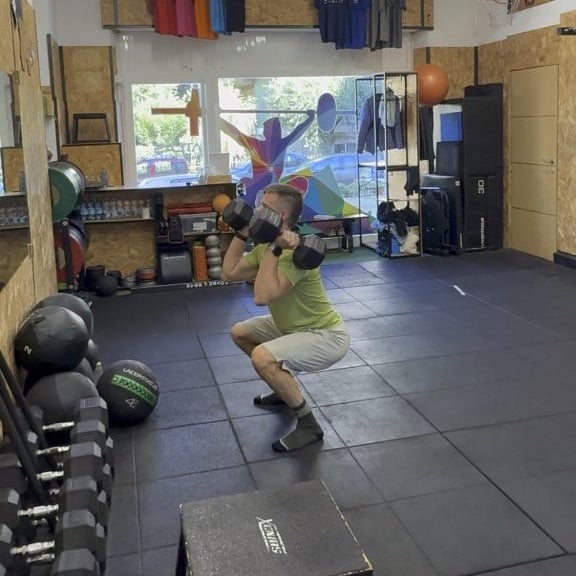
That said, strength isn’t just about numbers. Control matters. Good movement matters. If your form is falling apart, adding more weight isn’t making you stronger — it’s just setting you up for problems later. Nail your technique first, then build from there.
If you have access to a trainer or a structured program, use it. Even a handful of guided sessions can clean up your movement, balance your training, and help you push in the right direction instead of just pushing harder.
Balance Work and Recovery
Here’s the part most people ignore: you don’t get stronger during your workouts. You get stronger when you recover from them.
Rest days aren’t optional — they’re part of the plan. Your muscles need time to repair and adapt, and that’s where progress actually happens. Aim for at least one or two rest days per week. That doesn’t mean doing nothing; light movement like walking, mobility work, or stretching goes a long way.
Sleep and nutrition matter here too. If either of those are off, your training will stall no matter how motivated you are. You can’t out-train poor recovery.
Get Help When You Need It
Even experienced lifters benefit from feedback.
If progress has slowed or something feels off, getting outside guidance can make a big difference. Online coaching has become a great option for this. You can get structured programs, form checks, and accountability without being locked into a single gym or schedule.
It also works well alongside regular gym training. Film your lifts, get feedback, adjust your program, and keep moving forward — even if you’re traveling or training in different environments.
Stay Consistent and Patient
Strength takes time. Some weeks feel great. Others feel slow. That’s normal.
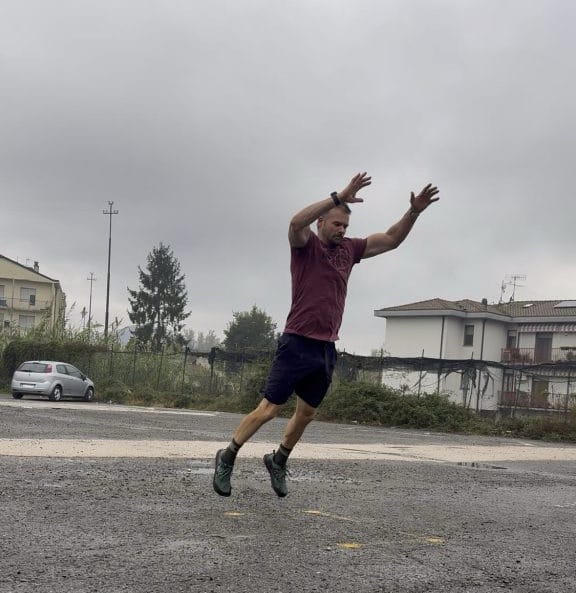
What actually matters is consistency — showing up, adjusting when needed, and sticking with the process. Track your lifts, eat enough to recover, and don’t overlook small wins. An extra rep here or a small weight increase there adds up more than you think.
Over time, the benefits go way beyond the gym. Better posture, more energy, more confidence, and a body that feels capable instead of beat up. When you focus on steady progress and proper recovery, strength becomes something you build into your life — not something you chase.